
 Image 1 of 1
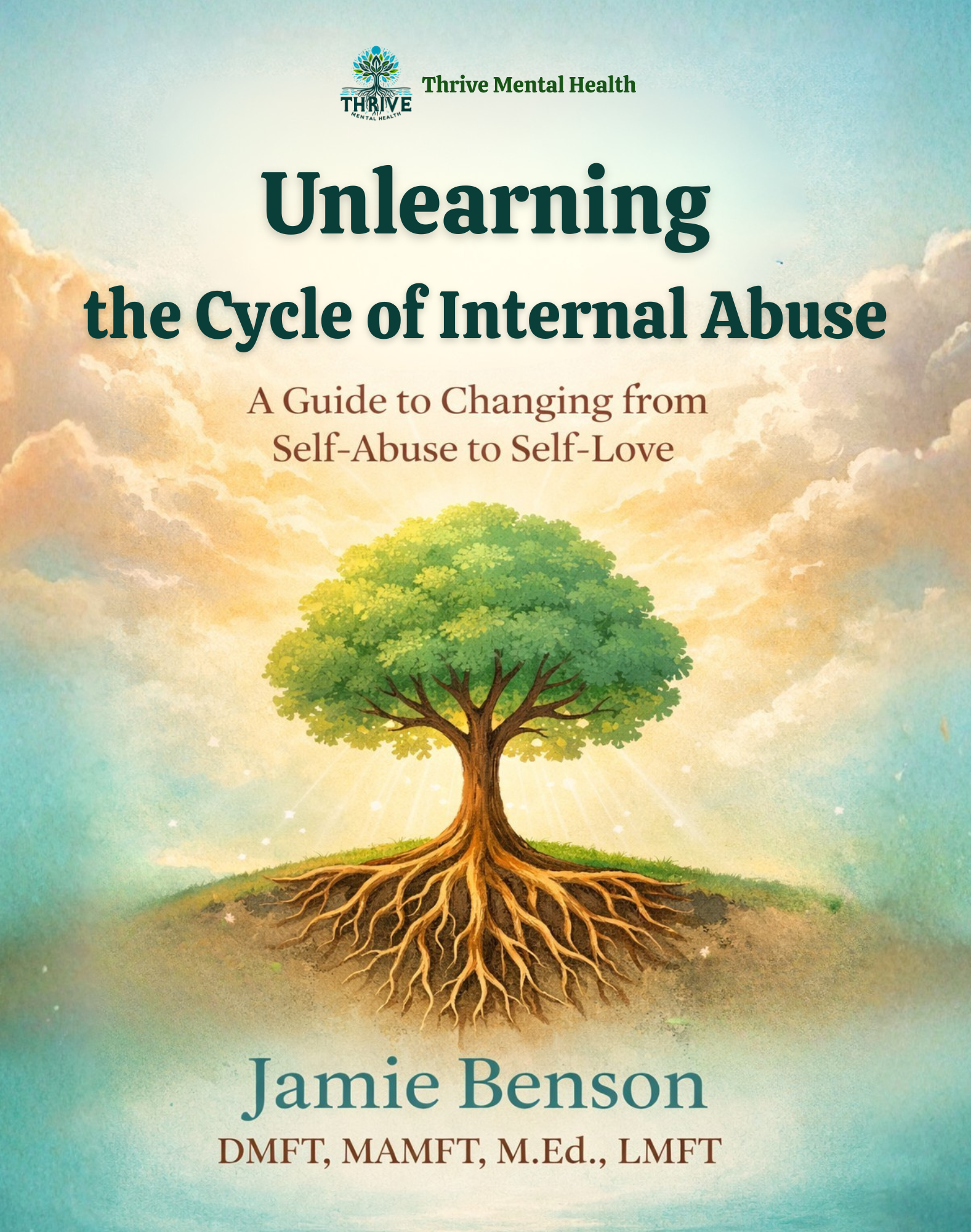
This workbook helps individuals recognize and interrupt patterns of harsh self-criticism, shame, and internal hostility that often operate unnoticed. It is designed for those who struggle with a relentless inner voice—one that judges, pressures, or punishes in the name of “motivation.” The focus is on awareness, accountability, and transformation—not self-blame.
How It Works:
Participants are guided to identify their internal critic, trace its origins, and map the cycle of trigger → self-attack → emotional consequence → behavioral impact. Through structured reflection exercises, they learn to separate their core self from the internalized voice, uncover the fears and unmet needs beneath self-criticism, and practice replacing self-abusive patterns with regulated, compassionate responses. Each section builds skills in emotional awareness, nervous system regulation, and self-repair.
Therapeutic Focus:
Recognizing internal abuse as a learned pattern, not a personality trait
Identifying triggers and the emotional consequences of self-criticism
Differentiating the inner critic from the authentic self
Understanding the protective function beneath harsh self-talk
Developing self-compassion and corrective inner dialogue
Practicing pause-and-replace responses
This workbook supports lasting change by helping individuals understand that self-abuse is not discipline—it is a survival strategy that can be unlearned. When the cycle is interrupted, self-trust, emotional safety, and genuine self-love become possible.
This workbook helps individuals recognize and interrupt patterns of harsh self-criticism, shame, and internal hostility that often operate unnoticed. It is designed for those who struggle with a relentless inner voice—one that judges, pressures, or punishes in the name of “motivation.” The focus is on awareness, accountability, and transformation—not self-blame.
How It Works:
Participants are guided to identify their internal critic, trace its origins, and map the cycle of trigger → self-attack → emotional consequence → behavioral impact. Through structured reflection exercises, they learn to separate their core self from the internalized voice, uncover the fears and unmet needs beneath self-criticism, and practice replacing self-abusive patterns with regulated, compassionate responses. Each section builds skills in emotional awareness, nervous system regulation, and self-repair.
Therapeutic Focus:
Recognizing internal abuse as a learned pattern, not a personality trait
Identifying triggers and the emotional consequences of self-criticism
Differentiating the inner critic from the authentic self
Understanding the protective function beneath harsh self-talk
Developing self-compassion and corrective inner dialogue
Practicing pause-and-replace responses
This workbook supports lasting change by helping individuals understand that self-abuse is not discipline—it is a survival strategy that can be unlearned. When the cycle is interrupted, self-trust, emotional safety, and genuine self-love become possible.