
Play Therapy
✺
Play Therapy ✺
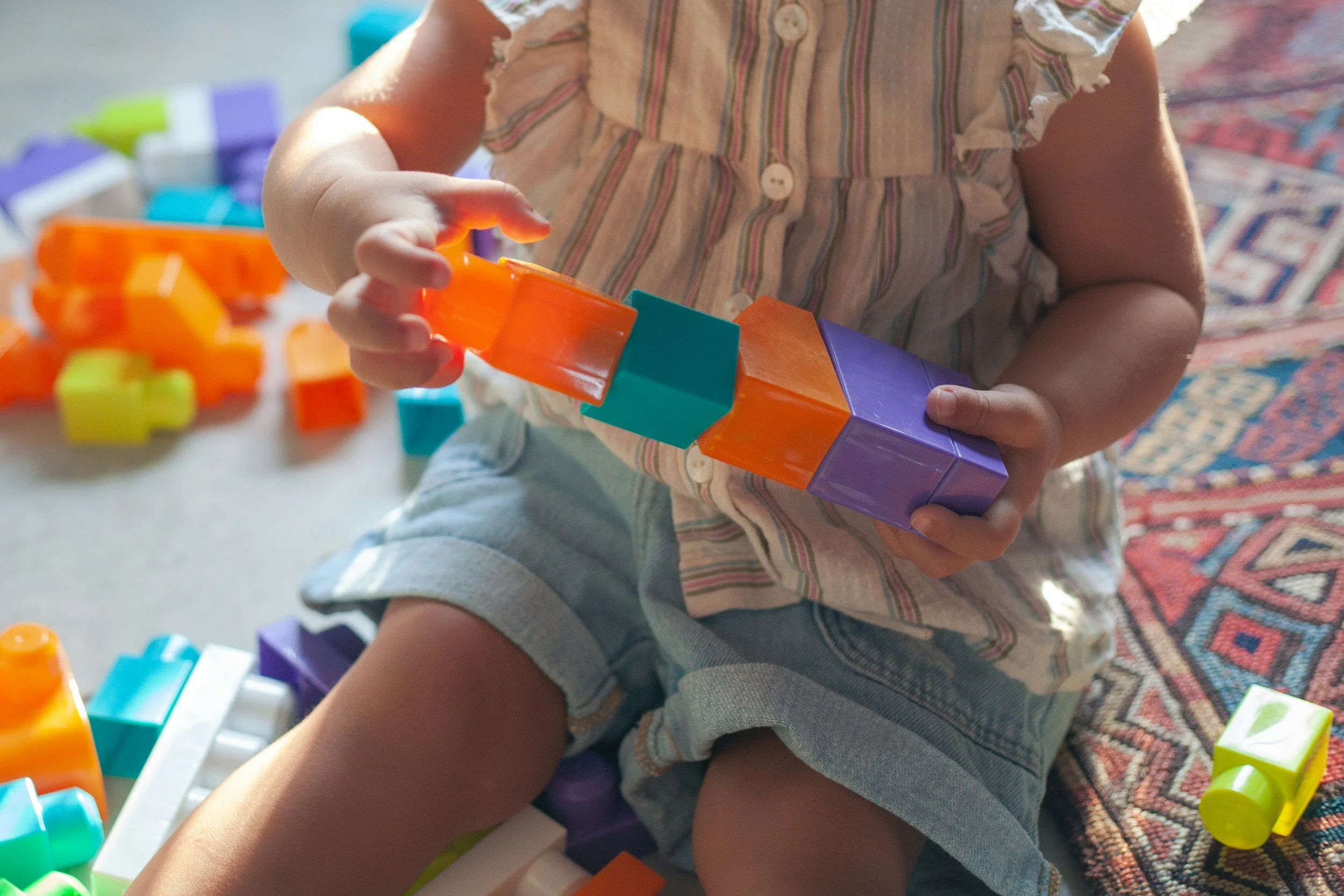
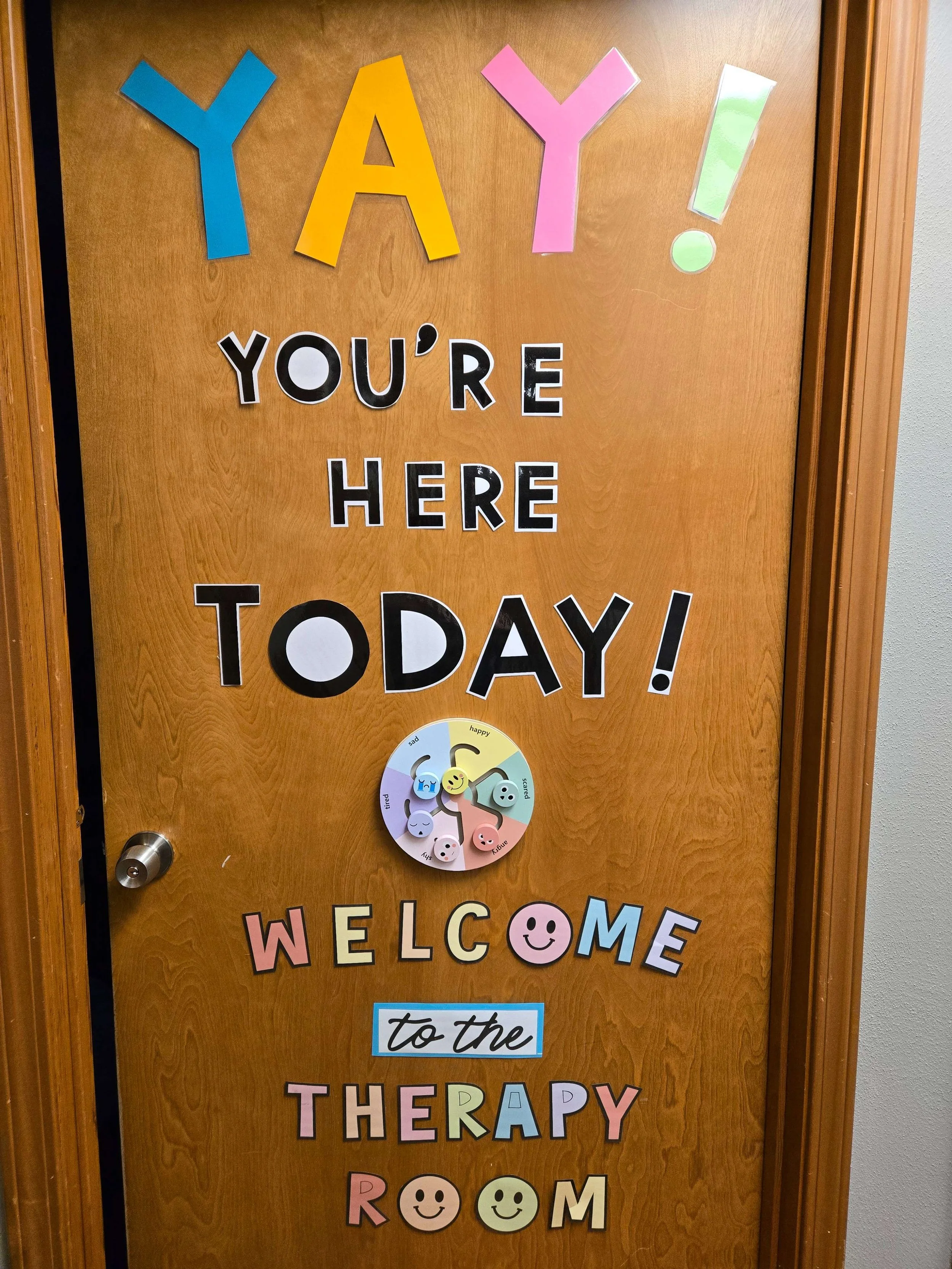
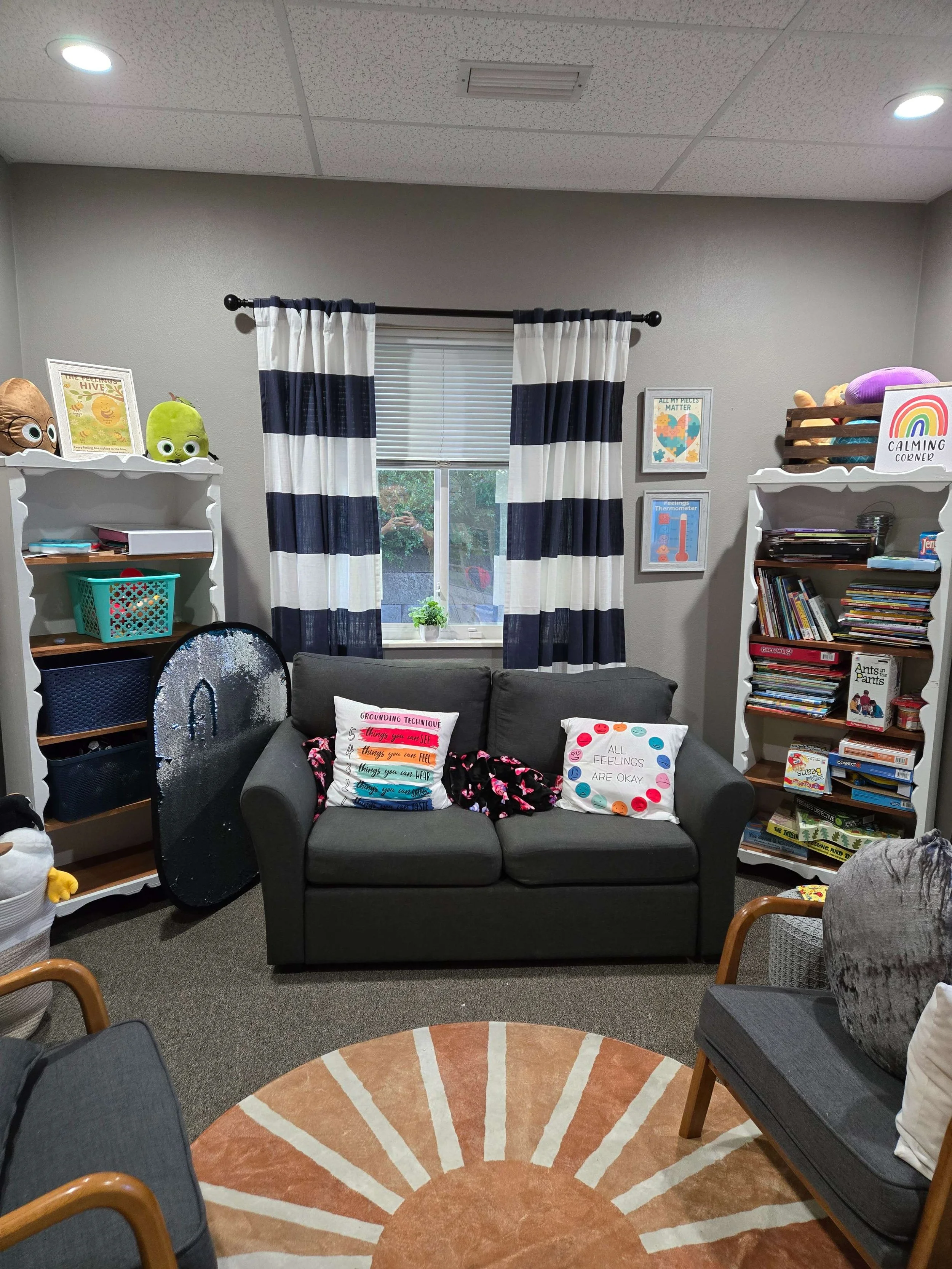
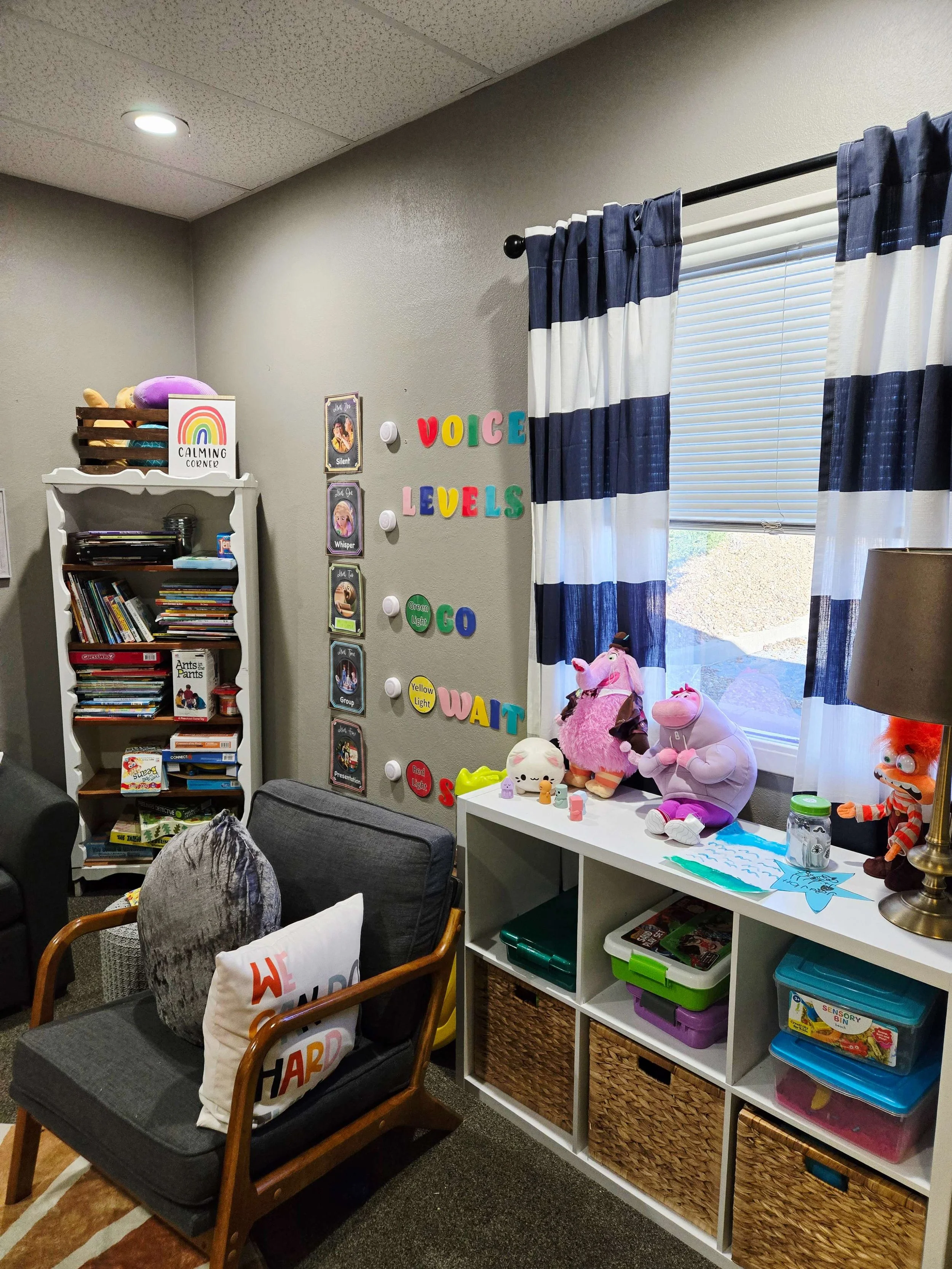
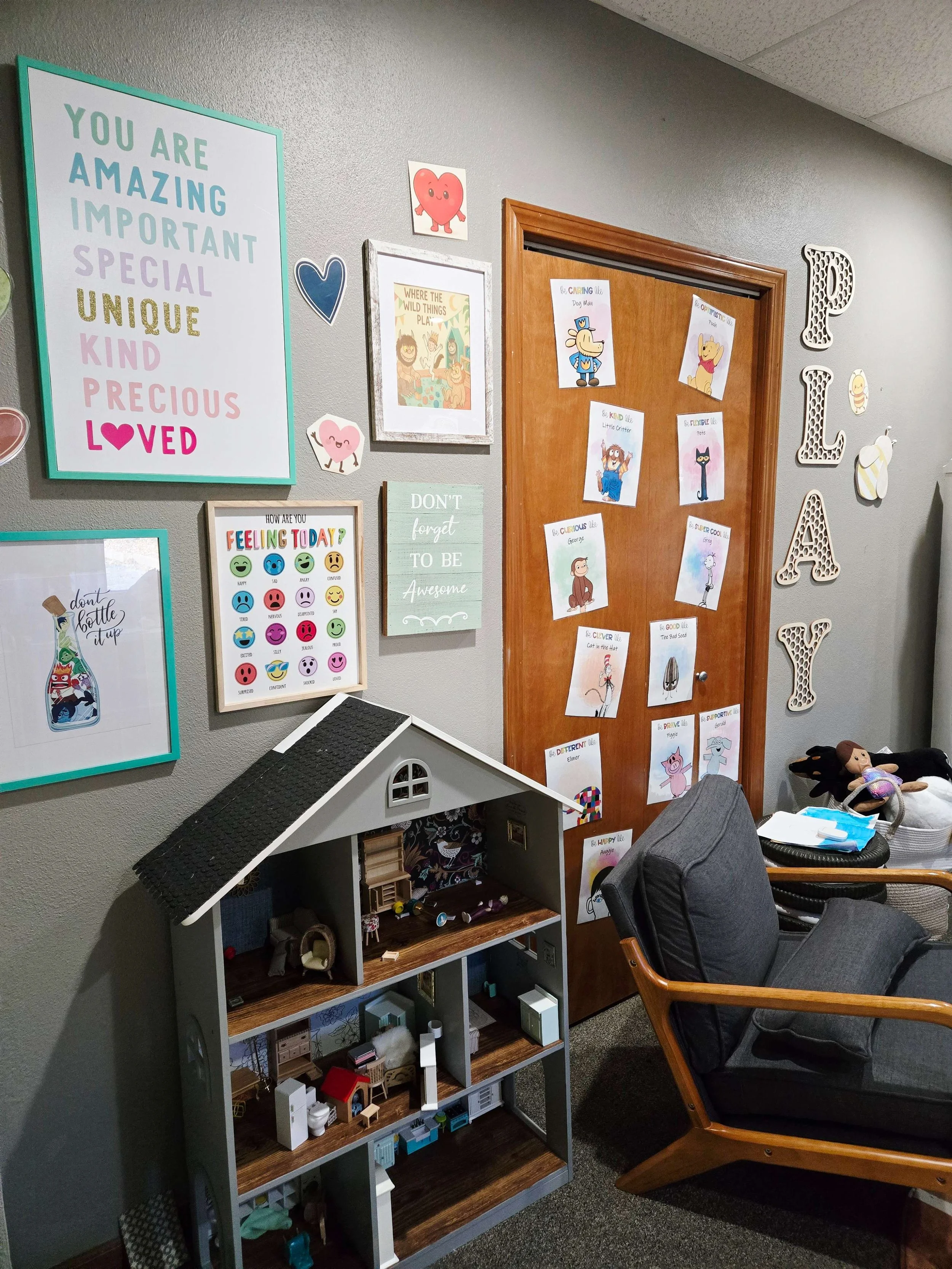
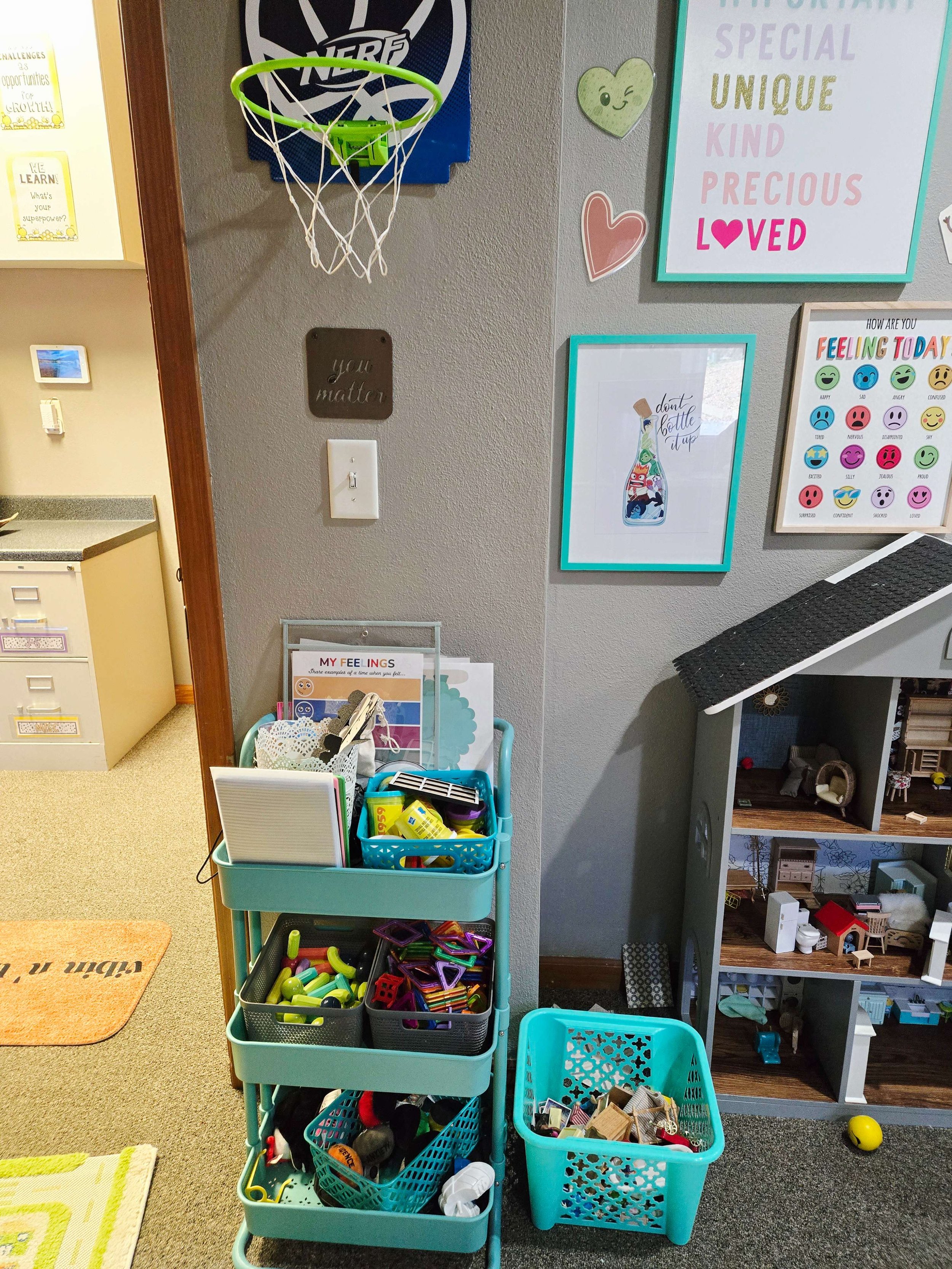
At Thrive Mental Health in Swansea, IL, play is more than just fun—it’s the language of healing and growth. Through Play Therapy, children are given a safe and supportive space to express thoughts, feelings, and experiences they may not yet have words for. Using creative tools such as art, storytelling, sand trays, puppets, and games, we help children explore emotions, develop problem-solving skills, and build healthy coping strategies.
Play Therapy can benefit children experiencing:
Anxiety, sadness, or frequent emotional outbursts
Trauma, grief, or major life changes
Attention or behavior challenges
Family conflict or divorce adjustment
Low self-esteem or social difficulties
Each session is personalized to your child’s developmental stage and emotional needs. Dr. Benson’s approach integrates attachment-based, trauma-informed, and strength-focused methods to support the whole child—and the family system around them.
When children can safely “play out” what they feel, they learn that healing, confidence, and connection can grow even through life’s toughest seasons. With Play Therapy, children don’t just learn to cope—they learn to thrive.
Learn About Our Modalities
-
Eye Movement Desensitization and Reprocessing (EMDR)
EMDR Therapy is a trauma-focused approach that helps the brain process and heal from distressing memories. Using guided eye movements or bilateral stimulation, EMDR allows painful experiences to be safely reprocessed so they no longer feel as overwhelming or intrusive. This evidence-based therapy helps reduce symptoms of trauma, anxiety, and emotional distress—empowering clients to feel calmer, more grounded, and in control of their lives.
-
Emotionally Focused Couples Therapy (EFCT)
Emotionally Focused Couples Therapy helps partners understand the emotional patterns that create distance and conflict. By identifying underlying needs for connection and security, couples learn to communicate more openly and respond to one another with empathy rather than defensiveness. EFCT strengthens trust and emotional intimacy, helping partners build a secure, lasting bond.
-
Trauma-Focused Cognitive Behavioral Therapy (TF-CBT)
Trauma-Focused Cognitive Behavioral Therapy is designed to help children, teens, and families process and heal from traumatic experiences. Through a supportive, structured approach, TF-CBT combines coping skills, gradual exposure, and family involvement to reduce trauma-related stress and restore a sense of safety and confidence.
-
Cognitive Processing Therapy (CPT)
Cognitive Processing Therapy focuses on how trauma can affect the way we see ourselves, others, and the world. By identifying and challenging unhelpful thoughts that keep people feeling stuck, CPT helps clients reframe painful experiences, reduce symptoms of PTSD, and regain a sense of control and self-compassion.
-
Cognitive Behavioral Therapy (CBT)
Cognitive Behavioral Therapy helps individuals understand how their thoughts, emotions, and behaviors are connected. By identifying unhelpful thinking patterns and learning practical coping strategies, CBT empowers clients to manage anxiety, depression, and stress more effectively while building healthier habits and perspectives.
-
Pain Reprocessing Therapy (PRT)
Pain Reprocessing Therapy is a powerful, science-backed approach that helps you change the way your brain interprets chronic pain. Instead of treating pain as a threat, PRT teaches your brain to recognize safety—allowing the pain signals to calm down and lose intensity over time.