
 Image 1 of 1
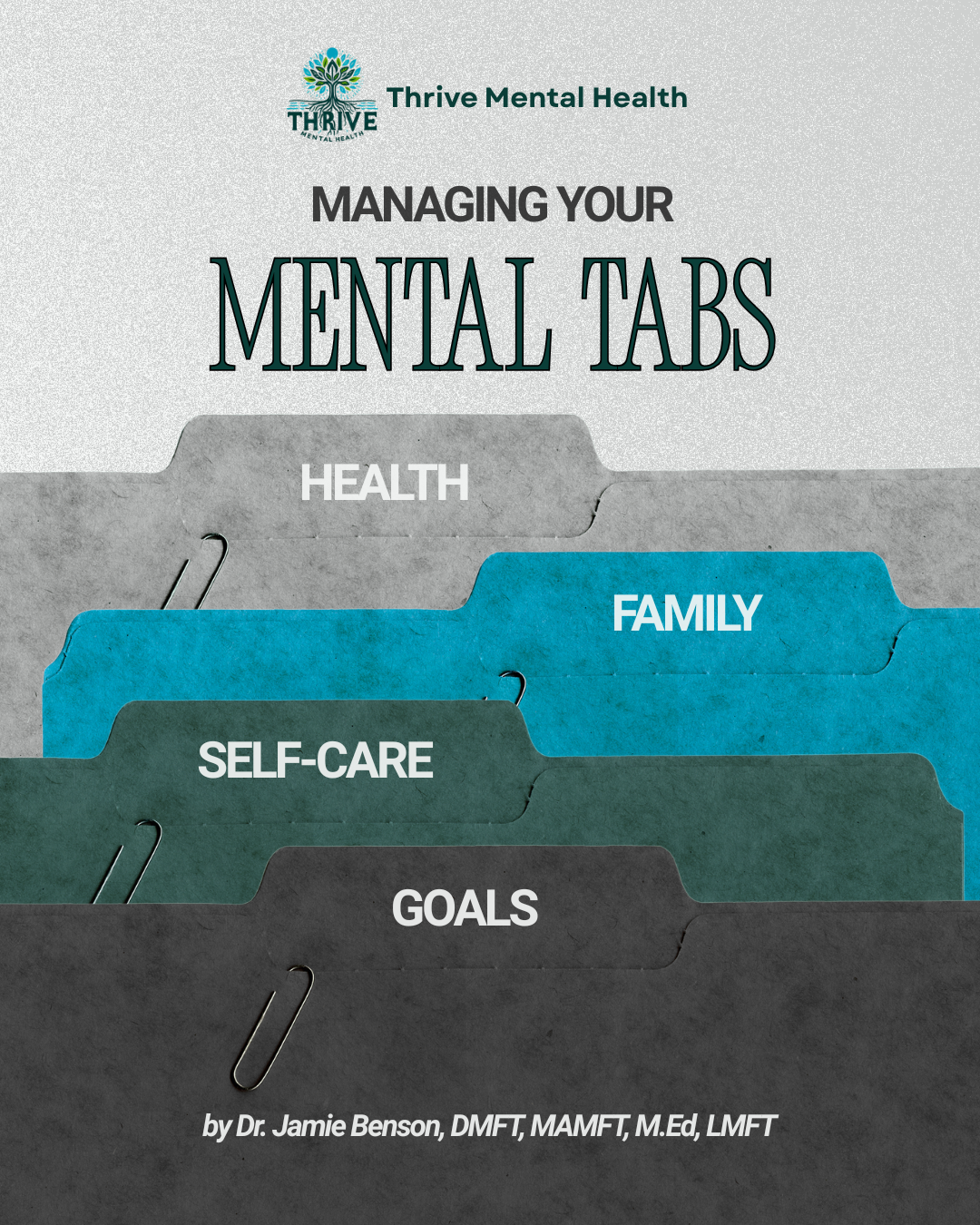
This worksheet helps individuals become aware of the constant stream of thoughts, worries, and mental “tabs” competing for attention throughout the day. It is designed for those who feel mentally overloaded, distracted, or stuck in repetitive thinking loops. The focus is on intentional awareness and mental organization—not forcing productivity or eliminating thoughts.
How It Works:
Participants are guided to identify their current “open tabs” by naming the thoughts and concerns occupying their mind. From there, they learn to sort these tabs into two categories: those that are actionable and move them forward, and those that drain energy without resolution. The worksheet then walks them through decision-making strategies—closing, postponing, or converting worries into plans—while also encouraging the inclusion of supportive “tabs” that regulate the nervous system. The process ends with prioritization, helping individuals focus on only what truly matters in the present moment.
Therapeutic Focus:
Increasing awareness of cognitive load and mental clutter
Differentiating between productive thinking and worry loops
Building decision-making skills around attention and focus
Reducing overwhelm through prioritization and intentional limitation
Supporting nervous system regulation through restorative mental focus
Reinforcing self-permission to “close” non-essential thoughts
This worksheet supports clarity and emotional balance by helping individuals recognize that not every thought deserves equal attention. When mental tabs are managed with intention, focus improves, overwhelm decreases, and the mind becomes a more supportive space rather than a crowded one.v
This worksheet helps individuals become aware of the constant stream of thoughts, worries, and mental “tabs” competing for attention throughout the day. It is designed for those who feel mentally overloaded, distracted, or stuck in repetitive thinking loops. The focus is on intentional awareness and mental organization—not forcing productivity or eliminating thoughts.
How It Works:
Participants are guided to identify their current “open tabs” by naming the thoughts and concerns occupying their mind. From there, they learn to sort these tabs into two categories: those that are actionable and move them forward, and those that drain energy without resolution. The worksheet then walks them through decision-making strategies—closing, postponing, or converting worries into plans—while also encouraging the inclusion of supportive “tabs” that regulate the nervous system. The process ends with prioritization, helping individuals focus on only what truly matters in the present moment.
Therapeutic Focus:
Increasing awareness of cognitive load and mental clutter
Differentiating between productive thinking and worry loops
Building decision-making skills around attention and focus
Reducing overwhelm through prioritization and intentional limitation
Supporting nervous system regulation through restorative mental focus
Reinforcing self-permission to “close” non-essential thoughts
This worksheet supports clarity and emotional balance by helping individuals recognize that not every thought deserves equal attention. When mental tabs are managed with intention, focus improves, overwhelm decreases, and the mind becomes a more supportive space rather than a crowded one.v